5 Gallon Shrimp Tank Setup: Complete Beginner Checklist
Everything you need to set up a 5 gallon shrimp tank: tank, filter, substrate, plants and lighting, plus a step-by-step order and what to avoid.
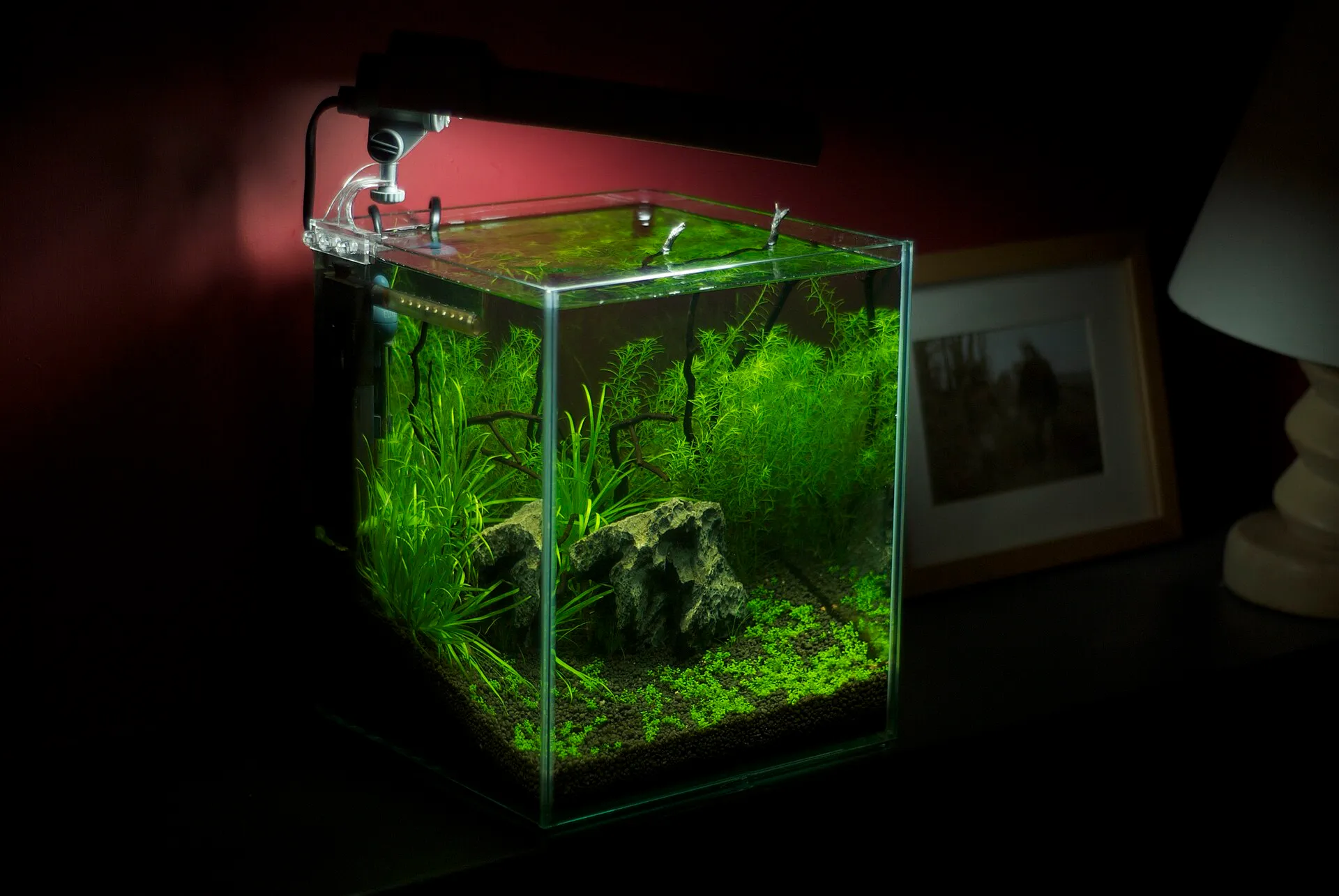 Photo: Chris Penny, CC BY 2.0
Short answer: a 5 gallon (19 L) tank is a great size for a first shrimp colony. You need the tank, a sponge filter, an inert or shrimp-friendly substrate, a few low-light plants, a basic LED light, a water conditioner and a test kit. Set it up, cycle it for 4–8 weeks, then add 10–15 cherry shrimp.
The checklist
| Item | Needed? | Why |
|---|---|---|
| 5 gallon tank with lid | Yes | A lid stops shrimp from climbing out and slows evaporation |
| Sponge filter + air pump | Yes | Gentle flow, safe for babies, grows biofilm |
| Substrate | Yes | Fine gravel or sand for Neocaridina; active soil for Caridina |
| Live plants | Yes | Food surface, cover, and they absorb waste |
| LED light | Yes | For plants and for you to see the shrimp |
| Water conditioner | Yes | Makes tap water safe |
| Liquid test kit | Yes | Needed to cycle the tank and spot problems |
| Heater | Maybe | Only if the room drops below about 18 °C |
| Thermometer | Recommended | Cheap way to catch temperature swings |
| TDS meter | Recommended | Fast check on water changes |
Choosing each piece
Filter
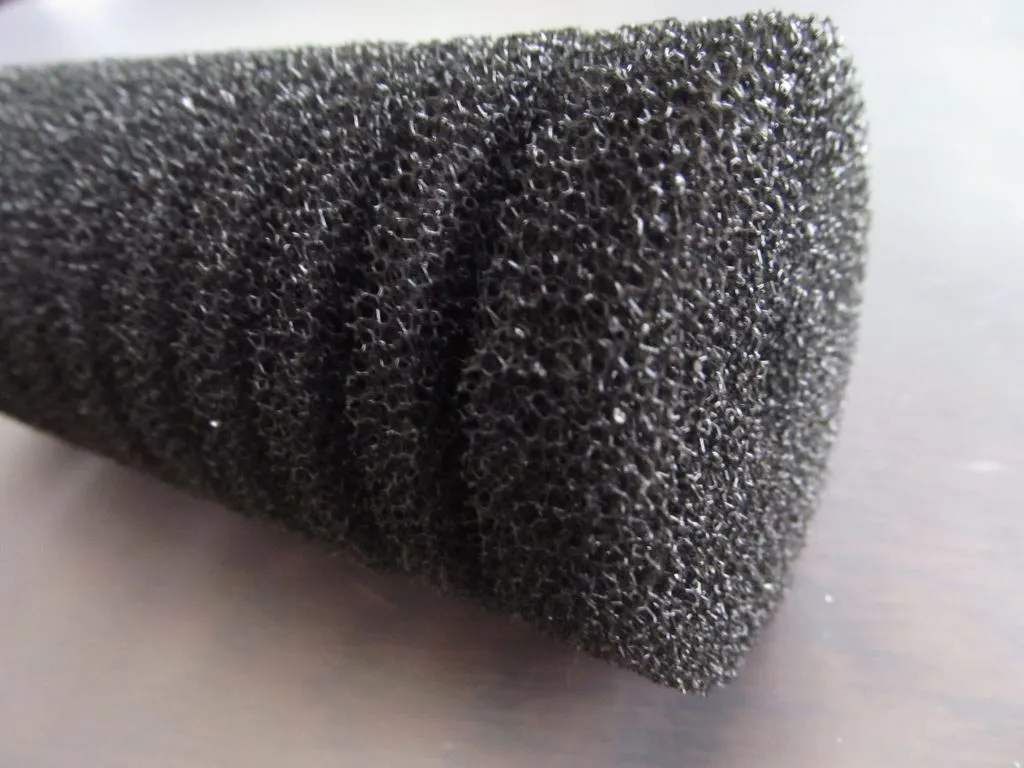
A sponge filter driven by a small air pump is the standard choice for shrimp. It can’t suck up babies, it grows a lot of beneficial bacteria, and shrimp graze on the sponge itself. Read our sponge filter guide for details. If you use a hang-on-back or internal filter, cover the intake with a pre-filter sponge.
Substrate
- Neocaridina (cherry shrimp): inert gravel or sand. It doesn’t change your water chemistry, so what you test from the tap is what you get.
- Caridina (crystal red, bee shrimp): active aquasoil, which lowers pH and KH. See Neocaridina vs Caridina.
About 2–4 cm (1–1.5 in) of substrate is enough.
Plants
Pick easy, low-light plants that don’t need CO₂:
- Java moss or Christmas moss
- Java fern and anubias (tie them to rock or wood, don’t bury the rhizome)
- Cryptocorynes
- A floating plant like salvinia or frogbit (remove some regularly)
Light
A simple LED clip-on or nano light is enough for the plants above. Put it on a timer for 6–8 hours a day. Longer periods mostly grow algae.
Heater
Cherry shrimp are fine between 18 and 27 °C. Many rooms stay in that range all year, so a heater is optional. If you use one, pick a small preset or adjustable model with a guard.
Setup order
- Rinse the tank, gravel and hardscape with plain water, never soap.
- Add substrate and hardscape (rocks, wood).
- Fill halfway with dechlorinated water, pouring onto a plate or bag so the substrate doesn’t stir up.
- Plant, then fill the tank the rest of the way.
- Start the filter and light (and heater if you use one).
- Cycle the tank for 4–8 weeks. Follow our step-by-step cycling guide.
- Test the water and compare it with the ideal cherry shrimp parameters.
- Add 10–15 shrimp after slow drip acclimation. Here’s how many shrimp a 5 gallon can hold.
Ongoing care
- Change 10–20% of the water each week, with dechlorinated water at the same temperature.
- Top up evaporated water with RO or distilled water, since only pure water evaporates.
- Feed small amounts 3–5 times a week. See what cherry shrimp eat.
- Rinse the sponge in old tank water every month or two, never under the tap.
Frequently asked questions
Is 5 gallons big enough for shrimp?
Yes. A 5 gallon tank can hold a thriving colony of 30–50 cherry shrimp. It’s also much easier to keep stable than a 1–3 gallon tank.
Can I put fish in a 5 gallon shrimp tank?
It’s best to keep shrimp alone or with snails. Almost all fish eat baby shrimp, and there isn’t much room for fish in 5 gallons anyway.
How much does a 5 gallon shrimp tank cost?
A simple setup with tank, sponge filter, light, substrate, plants and test kit is usually a modest one-off cost. Cherry shrimp themselves are inexpensive.